
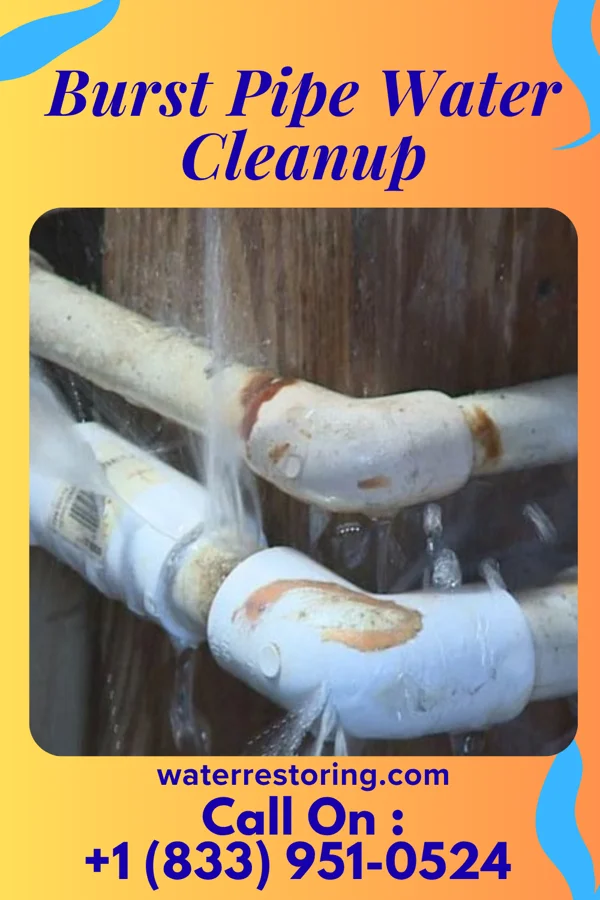
Why Pipes Burst in St. George Homes
Most water damage emergencies in St. George start with St. George, Alaska, experiences frequent temperature fluctuations that can cause pipes to expand and contract, increasing the risk of bursts during extreme weather. The presence of older infrastructure in rural areas like St. Paul, AK, near St. George, contributes to a higher likelihood of pipe failures, especially in homes with outdated plumbing systems.. A close second is The proximity to coastal areas like Unalaska and Akutan means that saltwater intrusion and high humidity can corrode metal pipes over time, leading to weakened structures. Additionally, the lack of regular maintenance in some rural neighborhoods increases the chance of sudden pipe bursts during harsh winters.. From the second water touches the property, every minute changes what gets saved and what gets ripped out.
St. George's coastal climate, combined with its rural setting, creates unique challenges for plumbing systems. The frequent temperature swings and high humidity levels contribute to a higher risk of pipe bursts, particularly in older homes and those with inadequate insulation.
Most burst pipe water cleanup calls in St. George come from St. George, Alaska, experiences frequent temperature fluctuations that can cause pipes to expand and contract, increasing the risk of bursts during extreme weather. The presence of older infrastructure in rural areas like St. Paul, AK, near St. George, contributes to a higher likelihood of pipe failures, especially in homes with outdated plumbing systems.. Running a close second is The proximity to coastal areas like Unalaska and Akutan means that saltwater intrusion and high humidity can corrode metal pipes over time, leading to weakened structures. Additionally, the lack of regular maintenance in some rural neighborhoods increases the chance of sudden pipe bursts during harsh winters.. Local mold risk: St. George's high humidity levels and frequent rainfall increase the risk of mold growth after a burst pipe. Prompt water extraction and drying are critical to prevent long-term damage and health risks.
For public guidance on the health effects of mold after prolonged water exposure, see the EPA mold and health page.